
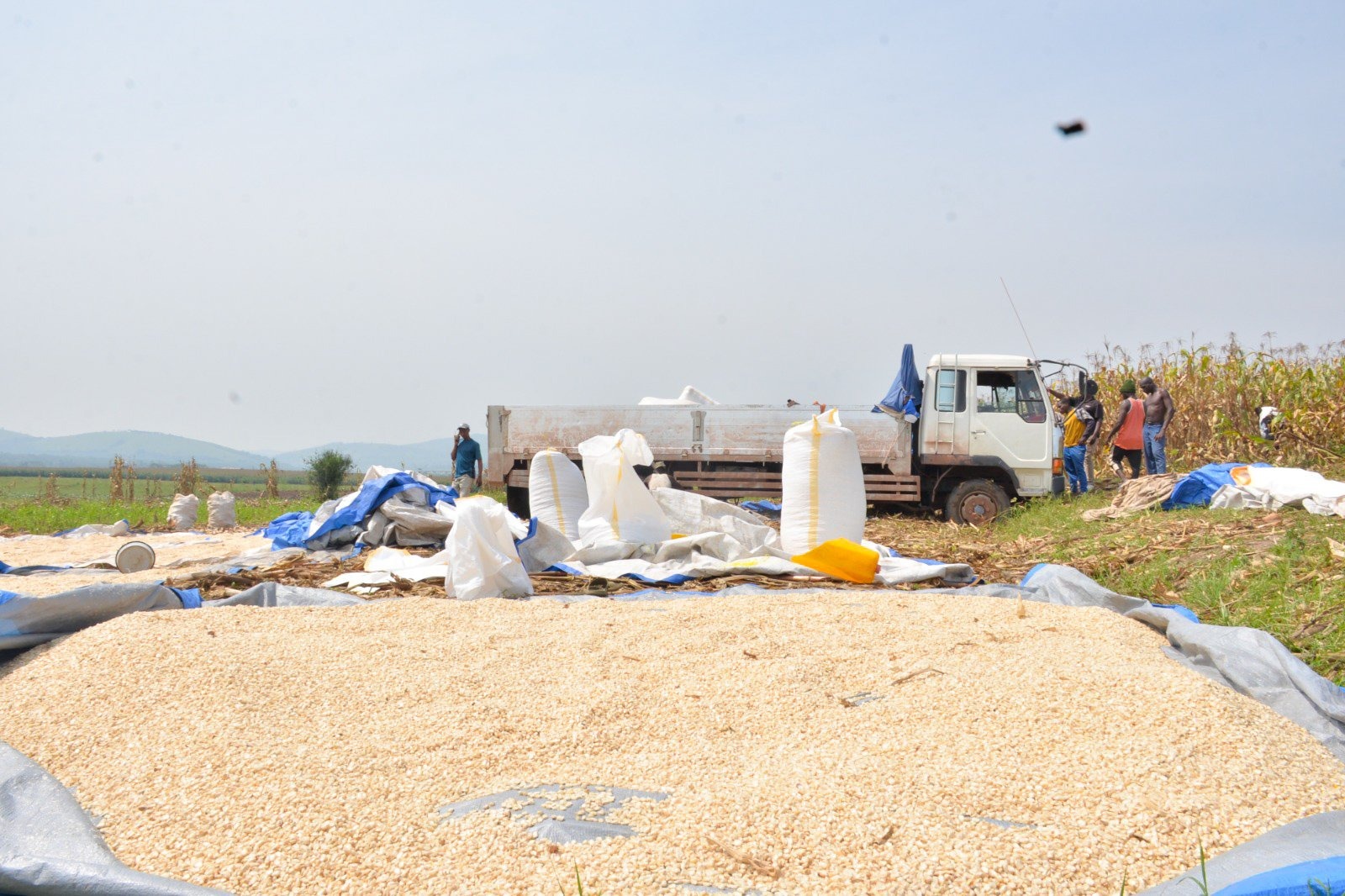
KABOKU Cooperative Farmers Double Maize Yields Through HoReCo Support Under OMIS Project
Farmers of KABOKU Cooperative in Kagitumba Sector, Nyagatare District, are celebrating a major milestone in maize production after increasing yields from an average of 3 tonnes per hectare to around 8 tonnes per hectare in Season 2026A. For years, farmers faced serious constraints, including limited access to quality seed, weak agronomic practices, and poor market linkages, which kept productivity low and incomes limited.
The transformation began through the support of HoReCo under the OMIS Project, funded by the Rwanda Agriculture and Animal Resources Development Board (RAB). Through this initiative, farmers received certified seed on time, practical training, field demonstrations, and regular technical follow-up from HoReCo agronomists. These interventions enabled farmers to adopt modern, market-oriented farming practices and significantly improve performance.
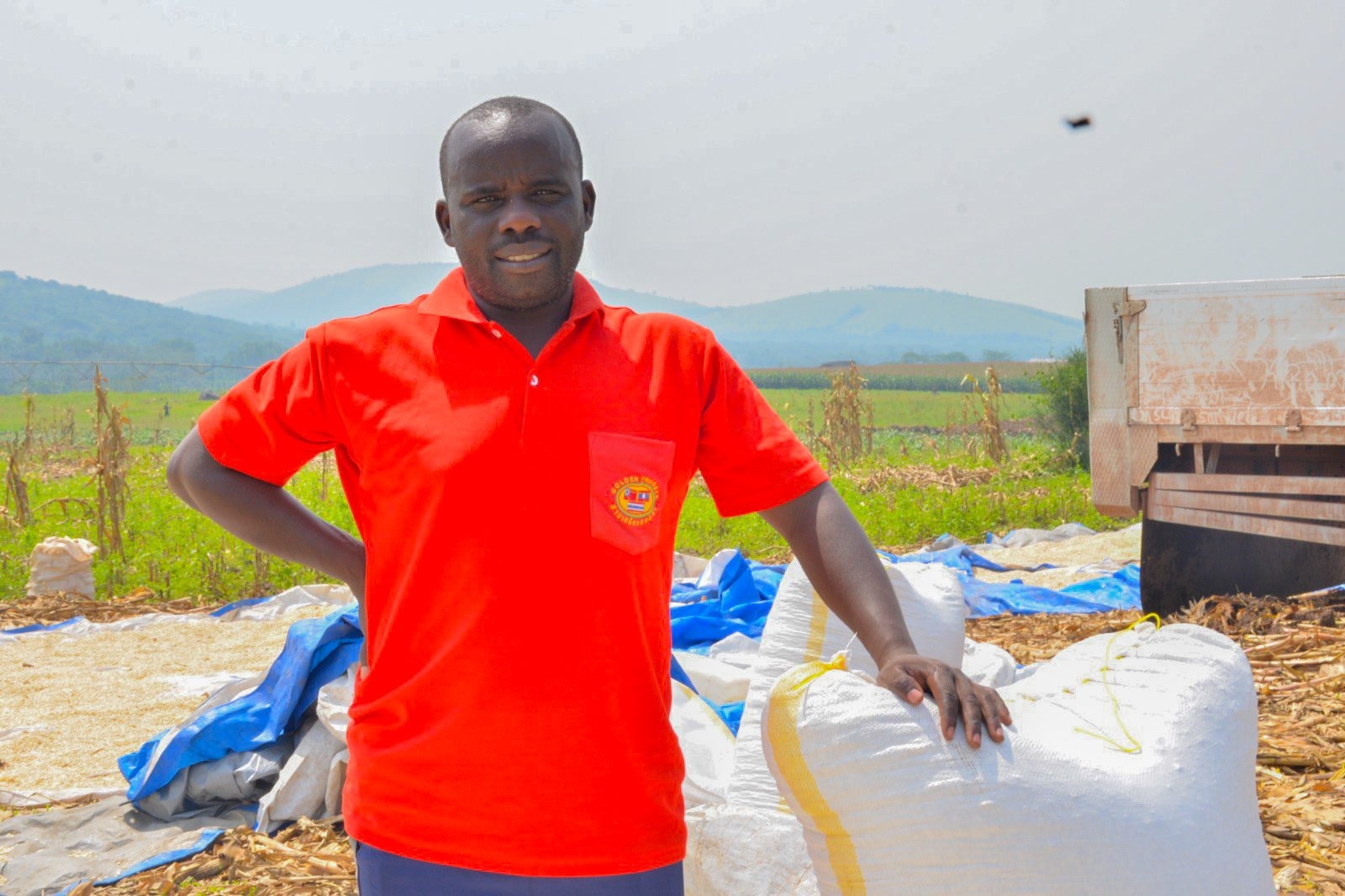
Among the beneficiaries is Callixte Nkundimana, a member of KABOKU Cooperative, who described the results as life-changing. “Before the project, we harvested around 3 tonnes per hectare because we lacked improved inputs and technical skills. Today, with HoReCo support, we are producing nearly 8 tonnes per hectare,” he said. He added that many farmers now see agriculture as a business capable of generating sustainable income.
The success of KABOKU Cooperative reflects broader positive trends in Rwanda’s agricultural sector. According to the National Institute of Statistics of Rwanda (NISR) , the 2026 Season A Agricultural Survey recorded strong national crop performance, with maize production increasing by 1.5 percent , Irish potato by 3.3 percent , cassava by 4.8 percent , sweet potato by 3.0 percent , and vegetables by 1.5 percent compared with Season A 2025.
This progress demonstrates the impact of continued investment in farmer support, improved inputs, and modern production systems. Through initiatives such as the OMIS Project, HoReCo is helping farmers raise productivity, strengthen livelihoods, and contribute to Rwanda’s vision of a modern, food-secure, and climate-resilient agricultural economy.